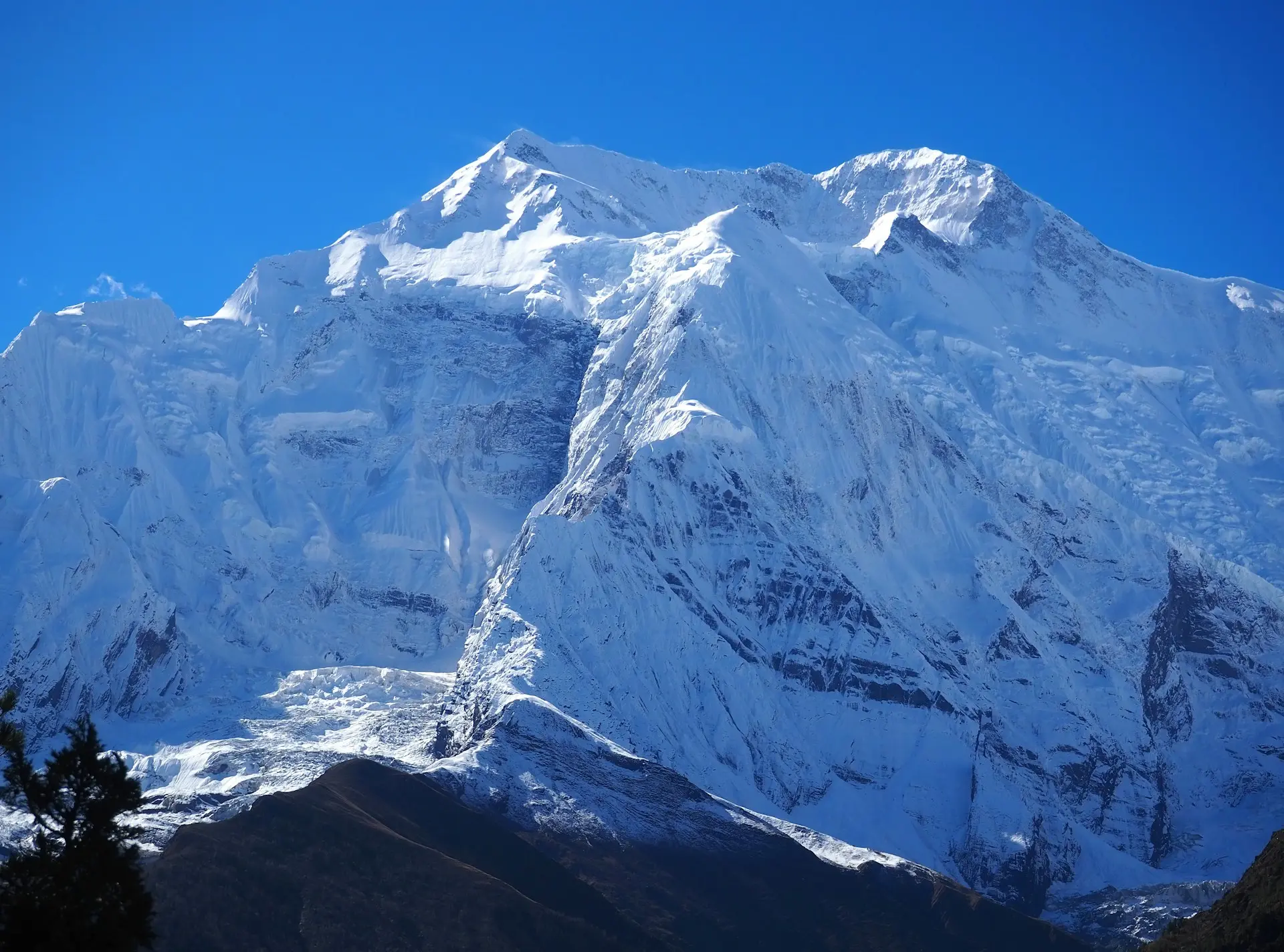
Pisang Peak Climbing (6,091m) is one of the most popular trekking peaks in Nepal, located in the Annapurna region above the beautiful Manang Valley. This adventure perfectly combines a classic Annapurna Circuit trek with an exciting Himalayan summit, offering climbers a chance to experience both cultural trekking routes and technical alpine climbing. The journey begins in Kathmandu and gradually ascends through lush forests, traditional villages, and dramatic alpine landscapes before reaching the Pisang Peak Base Camp and High Camp.
The climb itself is non-technical but physically demanding, making it ideal for adventurous trekkers who want to step into mountaineering. From the summit, climbers are rewarded with breathtaking views of Annapurna II, Annapurna IV, Gangapurna, Tilicho Peak, and the vast Manang Valley below. With proper acclimatization days and expert guidance from Mountain King Adventures, Pisang Peak Climbing is a safe, well-organized, and unforgettable Himalayan experience.
The best seasons for Pisang Peak Climbing are spring (March–May) and autumn (September–November). During spring, the trail is decorated with blooming rhododendrons, clear skies, and stable weather conditions. Snow conditions are generally favorable for climbing, and temperatures are moderate, making summit day more comfortable.
Autumn is equally popular due to its crystal-clear mountain views and stable post-monsoon weather. The trails are dry, the skies are deep blue, and the visibility from the summit is exceptional. Winter climbs are possible but challenging due to extreme cold, while the monsoon season is not recommended because of heavy rain and poor visibility.
Best Time Summary:
Pisang Peak is classified as a trekking peak, meaning it does not require advanced technical climbing skills. However, it does demand good physical fitness, basic mountaineering knowledge, and strong endurance. The steep snow slopes near the summit require the use of crampons, ice axes, and ropes, all of which are managed by experienced climbing guides from Mountain King Adventures.
Transportation is well-planned to support gradual altitude gain. The trip includes a scenic drive from Kathmandu to Jagat, followed by trekking through Chame, Pisang, and Manang. After crossing Thorong La Pass, the return journey includes a flight from Jomsom to Pokhara and a drive back to Kathmandu, ensuring both comfort and safety.
Difficulty & Transport Notes:
During the trekking portion, accommodation is provided in well-maintained teahouses offering basic yet comfortable rooms. These lodges serve a variety of meals, including Nepali, Tibetan, and Western dishes such as dal bhat, pasta, soup, and pancakes. Meals are designed to provide sufficient energy for long trekking days.
At Pisang Peak Base Camp and High Camp, accommodation shifts to fully supported tented camps. Mountain King Adventures provides high-quality camping equipment and hygienic, freshly prepared meals by trained staff. Special attention is given to nutrition and hydration during climbing days to support acclimatization and strength.
Food & Stay Highlights:
Several permits are required for Pisang Peak Climbing, all of which are arranged by Mountain King Adventures. These include the Pisang Peak Climbing Permit, Annapurna Conservation Area Permit (ACAP), and TIMS Card. These permits ensure legal access to the region and support conservation and local communities.
Having a professional company manage permits saves time and prevents complications. Climbers can focus entirely on preparation and enjoyment, knowing that all paperwork is handled responsibly and in advance.
Required Permits:
Mountain King Adventures is a trusted Nepal-based trekking and climbing company known for safety, professionalism, and personalized service. Our experienced guides are certified, highly trained in high-altitude climbing, and deeply familiar with the Annapurna region. We prioritize acclimatization, proper pacing, and climber well-being throughout the journey.
Choosing Pisang Peak Climbing with Mountain King Adventures means traveling with a team that values ethical tourism, local employment, and sustainable practices. From arrival to departure, every detail is carefully planned to ensure a successful summit and a memorable Himalayan adventure.
Why Mountain King Adventures:
Upon arrival at Tribhuvan International Airport in Kathmandu, our friendly team from Mountain King Adventures will greet you and transfer you to your hotel in the heart of the city. Take this day to relax, recover from your journey, and acclimatize to the altitude. In the evening, our guide will hold a briefing session outlining the entire trekking and climbing schedule, providing tips on altitude safety, equipment checks, and essential trekking guidelines. You can also explore nearby markets and enjoy authentic Nepali cuisine for dinner.
Pisang Peak is a 6,091-meter trekking peak located in the Annapurna region of Nepal. It is considered a moderately challenging climb, suitable for trekkers with some prior experience in high-altitude trekking but little to no technical mountaineering background. The ascent involves trekking through varied terrain, glaciers, and snow slopes, requiring basic climbing skills like using crampons, ropes, and ice axes. Mountain King Adventures provides expert guides, training, and equipment support to ensure climbers are safe and confident throughout the expedition.
No prior technical mountaineering experience is required to climb Pisang Peak, but climbers should be in good physical condition and accustomed to high-altitude trekking. Mountain King Adventures provides basic climbing training, including instruction on the use of crampons, ice axes, and fixed ropes before attempting the summit. Trekkers also benefit from acclimatization days, guided support, and safety briefings to ensure that everyone, regardless of experience level, can climb safely while enjoying the adventure and spectacular Himalayan scenery.
Mountain King Adventures’ Pisang Peak climbing package typically includes all necessary trekking and climbing permits, airport transfers in Kathmandu, hotel accommodations in Kathmandu and Pokhara, teahouse accommodations during the trek, experienced guides, and support staff including porters. The package also covers meals during trekking and climbing, basic climbing equipment, and first aid support. Personal expenses, tips, and travel insurance are usually not included. This comprehensive approach ensures climbers can focus entirely on the adventure without worrying about logistics or safety.
Climbing Pisang Peak requires moderate to high physical endurance due to long trekking days, altitude gain, and technical climbing sections. Daily treks can range from 3 to 10 hours, depending on terrain and acclimatization needs. Mountain King Adventures emphasizes gradual ascent, adequate rest, and acclimatization to reduce the risk of altitude sickness. Regular exercise, cardiovascular training, and strength conditioning before the expedition are highly recommended to ensure climbers can enjoy the experience safely and confidently while managing fatigue in the high-altitude Himalayan environment.
Altitude sickness is a potential concern when climbing Pisang Peak. Mountain King Adventures prioritizes acclimatization, with scheduled rest days in Upper Pisang and Manang, gradual ascent, and constant monitoring of climbers’ health. Guides are trained to recognize early symptoms of altitude sickness, and medical kits are available throughout the trek. Hydration, nutrition, and light activity are emphasized, and contingency days are included in the itinerary to provide flexibility. If necessary, descent to lower altitudes is recommended to ensure safety. Proper preparation and listening to guides are essential for a safe climb.
Yes, Pisang Peak is suitable for both solo travelers and groups. Mountain King Adventures organizes guided expeditions, providing support, logistics, and safety even for solo climbers. Solo travelers benefit from being part of a small expedition group, ensuring camaraderie and assistance during challenging sections. For groups, customized itineraries and flexible schedules can be arranged. The company emphasizes teamwork, safety, and cultural respect, creating a supportive environment where climbers of all backgrounds can achieve the summit while enjoying the social and scenic aspects of trekking and mountaineering in the Annapurna region.
The standard Pisang Peak climbing expedition with Mountain King Adventures lasts around 17 days, including arrival, trekking, summit attempt, and departure. This schedule includes acclimatization days, contingency days, and descent via the Thorong La Pass for safety and flexibility. The itinerary can be customized for individuals or groups depending on fitness levels, schedule constraints, or specific interests such as photography, cultural exploration, or extended trekking. The company prioritizes safety and enjoyment, ensuring climbers have adequate time to acclimatize and reach the summit successfully.
Preparation is key for a successful Pisang Peak expedition. Physically, regular cardiovascular exercise, strength training, and long-distance hiking with a loaded backpack are highly recommended. Mentally, understanding the challenges of high-altitude trekking, variable weather, and potential fatigue is essential. Mountain King Adventures provides pre-trek guidance, including fitness recommendations, packing lists, and mental strategies for pacing, staying positive, and coping with altitude stress. Adequate preparation ensures climbers remain confident, safe, and fully enjoy the experience of climbing a 6,000-meter Himalayan peak.
The most ideal periods to climb Pisang Peak are pre-monsoon (March to May) and post-monsoon (September to November). During these seasons, the weather is generally stable, with clear skies, moderate temperatures, and excellent mountain views. Winter months are extremely cold with heavy snowfall, while monsoon season brings heavy rain and landslides, making trekking and climbing dangerous. Mountain King Adventures carefully plans expeditions during these optimal months to maximize safety, enjoyment, and the chances of successfully reaching the summit.
During the trek to Pisang Peak, Mountain King Adventures arranges stays in comfortable teahouses and lodges, which are typical in the Annapurna region. These provide basic amenities such as warm rooms, shared or private bathrooms, and meals. At higher altitudes, facilities may be simpler, focusing on safety, warmth, and comfort rather than luxury. Before and after the trek, 3-star or equivalent hotels in Kathmandu and Pokhara are arranged. The teahouse experience allows climbers to interact with locals, enjoy authentic Nepali cuisine, and immerse themselves in the Himalayan culture.
Climbers should bring high-quality trekking and mountaineering gear, including insulated jackets, trekking boots, gloves, hats, crampons, and sunglasses. Mountain King Adventures provides technical climbing equipment such as ropes, harnesses, ice axes, and helmets. Personal gear like sleeping bags, trekking poles, and layered clothing are essential for comfort at high altitudes. Guides provide a pre-trek equipment checklist to ensure nothing critical is left behind. Proper preparation and gear not only ensure safety but also make the climb more enjoyable, especially in extreme alpine conditions where weather can change rapidly.