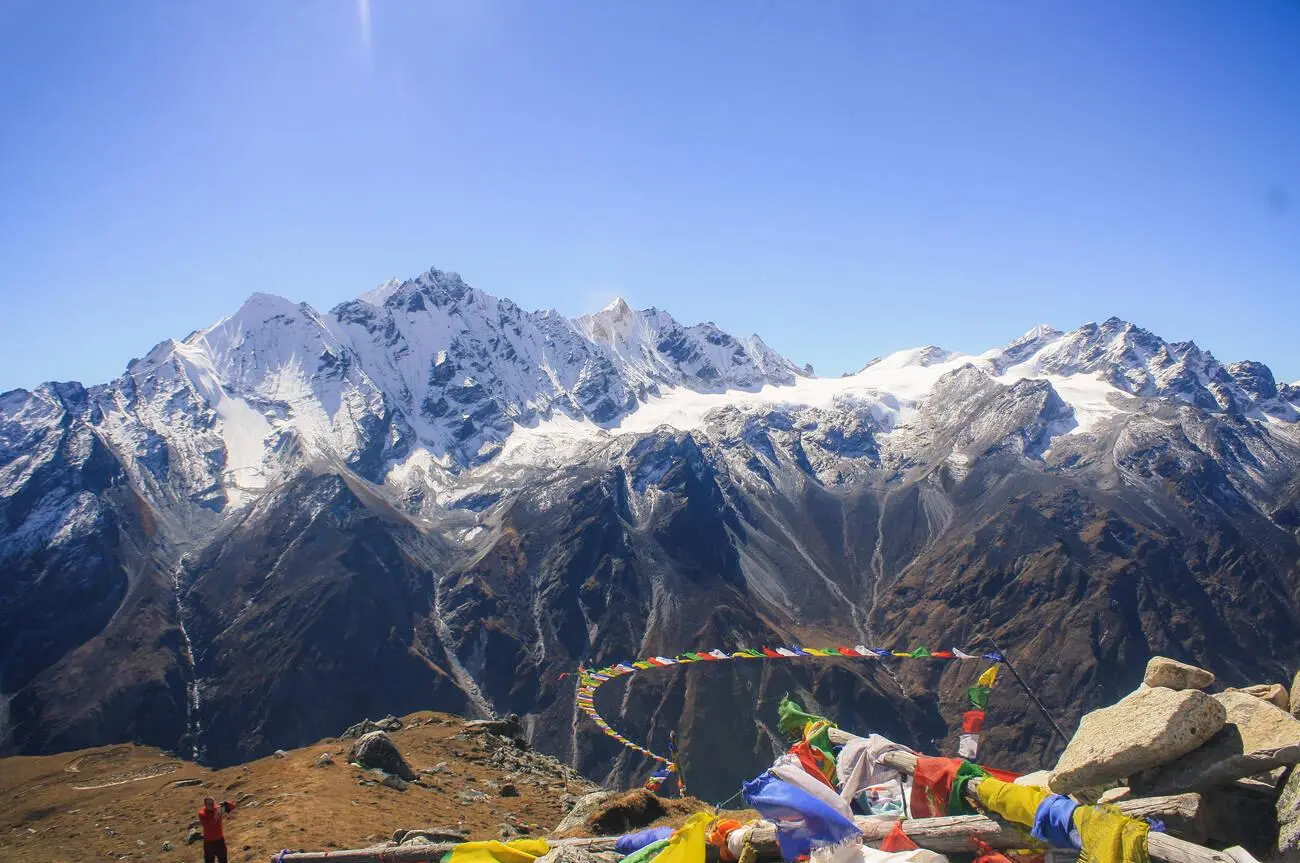
The Langtang Valley Trek is one of Nepal’s most enchanting and less-crowded trekking routes, offering a perfect combination of natural beauty, cultural experiences, and adventure. Nestled in the northern region of the Kathmandu Valley, the trek takes you through lush forests, terraced fields, rhododendron-covered hills, and traditional Tamang villages. On this journey, trekkers are treated to spectacular views of the Langtang Himal range, including peaks like Langtang Lirung, Langtang Ri, and Ganesh Himal.
This trek is ideal for those who want to explore the tranquil Himalayan region without the hustle of crowded trails like the Annapurna or Everest regions. Starting from Kathmandu, trekkers gradually ascend to higher altitudes, allowing time for acclimatization while enjoying the peaceful surroundings. The trek also includes a climb to Tserko Ri (5,000m / 16,404ft), offering panoramic views of the Langtang Valley, snow-capped peaks, and glaciers. Mountain King Adventures ensures a well-planned itinerary that combines adventure, culture, and comfort for an unforgettable experience.
The Langtang Valley Trek can be done throughout the year, but the best seasons are spring (March to May) and autumn (September to November). During spring, the rhododendron forests bloom in vibrant colors, and the weather is generally clear, offering excellent visibility of the Himalayan peaks. Autumn is equally spectacular with stable weather, crisp mountain air, and breathtaking sunsets.
Winter (December to February) is colder and involves snow at higher elevations, which is ideal for trekkers who enjoy snowy landscapes but requires proper gear. The monsoon season (June to August) is less favorable due to heavy rainfall, slippery trails, and landslide risks. Mountain King Adventures provides tailored support during all seasons, ensuring safety and comfort for trekkers.
Season Highlights:
The Langtang Valley Trek is considered moderate in difficulty, making it suitable for both beginners with basic fitness and experienced trekkers. The trek involves daily walking for 5-8 hours, with gradual elevation gain that allows proper acclimatization. The most challenging part is the Tserko Ri climb, which demands stamina and determination. Mountain King Adventures ensures that the pace is comfortable and adjusts schedules to suit individual fitness levels.
Transportation for the trek begins in Kathmandu, where trekkers are picked up by private vehicles and driven to Syabrubesi, the starting point of the trek. This scenic drive takes about 7-8 hours and offers views of terraced farmlands, rivers, and small towns along the way. Local jeeps or buses are used depending on group size and road conditions.
Key Points:
During the Langtang Valley Trek, food and accommodation are primarily in teahouses and lodges located in each village along the route. These teahouses offer basic amenities, warm beds, and traditional Nepalese cuisine. Mountain King Adventures ensures that trekkers have access to nutritious meals and comfortable accommodation throughout the trek.
Common meals include dal bhat (rice and lentils), noodles, soups, and vegetable curries. Hot beverages like tea, coffee, and hot chocolate are available, perfect for relaxing after a long day of trekking. At higher elevations, options may be limited, but the quality of meals is maintained by the teahouse owners, focusing on fresh and locally sourced ingredients.
Summary:
Trekking in Langtang Valley requires a couple of permits to ensure legal access and support conservation efforts. The main permits include:
Mountain King Adventures handles all necessary permits for trekkers, ensuring a smooth start without paperwork hassle. These permits also help maintain the beauty and safety of the Langtang region, contributing to sustainable tourism.
Permit Checklist:
Choosing Mountain King Adventures for the Langtang Valley Trek guarantees a professional, safe, and memorable experience. With years of experience organizing treks in Nepal, the company provides knowledgeable guides, well-organized itineraries, and personalized attention for all trekkers. From airport pickup to drop-off, every aspect of the trip is carefully managed.
Additionally, Mountain King Adventures emphasizes responsible tourism, supporting local communities and ensuring environmentally friendly practices. Trekkers benefit from expert advice, quality accommodation, nutritious meals, and assistance with permits. Whether it’s your first trek or an adventure at high altitude, the company ensures a balanced mix of adventure, comfort, and cultural immersion.
Reasons to Choose:
Upon arrival at Tribhuvan International Airport in Kathmandu, you will be warmly welcomed by a representative from Mountain King Adventures who will assist you with your transfer to the hotel. After settling in, there will be a short briefing about your upcoming trek, including essential tips on packing, trekking etiquette, and safety guidelines. In the evening, you can explore the vibrant streets of Thamel, enjoy local cuisine, or simply rest and acclimatize to the city’s altitude. This day allows you to relax, prepare mentally for the trek, and enjoy the bustling energy of Nepal’s capital.
After an early breakfast, embark on a scenic drive from Kathmandu to Syabrubesi, the gateway to the Langtang Valley. The journey takes approximately 7-8 hours, passing through winding roads, terraced fields, and charming villages. You’ll cross the Trishuli River and drive through dense forests with occasional Himalayan vistas peeking through. Upon arrival in Syabrubesi, you can stroll through the village, interact with locals, and enjoy the serene surroundings. Your guide from Mountain King Adventures will brief you on the next day’s trek and ensure all preparations are complete. Overnight stay in a comfortable teahouse in Syabrubesi.
Your trek officially begins today as you head towards Lama Hotel. The trail gradually ascends through lush forests of rhododendron, pine, and oak, offering glimpses of Langtang River below. You may encounter local villagers, yaks, and occasional waterfalls along the way. The path meanders through small settlements like Gatlang, giving you a sense of traditional Tibetan-influenced culture. Upon reaching Lama Hotel, a cozy teahouse awaits where you can relax, enjoy a warm meal, and take in the stunning views of surrounding peaks. Mountain King Adventures’ guides will review the next day’s route and share insights about the Langtang region.
Today’s trek takes you deeper into the heart of Langtang Valley. The trail becomes steeper as you ascend through dense forests, crossing suspension bridges and passing gushing streams. You will notice the landscape gradually transforming from lush greenery to alpine terrain. Langtang Village, your destination, is a picturesque settlement nestled beneath towering peaks, offering breathtaking views of Langtang Lirung and surrounding mountains. Spend time exploring the village, interacting with local Tamang families, and learning about their culture. The teahouse here provides a warm atmosphere, perfect for resting after a long day.
The trail from Langtang Village to Kyanjin Gompa is shorter but involves steady climbing. You’ll pass grazing yaks, glacial streams, and alpine meadows dotted with wildflowers. Kyanjin Gompa is a historic monastery and a hub for trekkers, offering panoramic views of Langtang Lirung and other surrounding peaks. Upon arrival, you can explore the monastery, visit cheese factories where local monks make traditional yak cheese, or simply rest and acclimatize. Mountain King Adventures guides will ensure everyone is ready for tomorrow’s challenging ascent to Tserko Ri, offering tips for safe trekking at higher altitudes.
Today is one of the most exhilarating days of the trek. Begin early to ascend Tserko Ri, a peak offering one of the best panoramic views of the Langtang region. The climb is challenging but rewarding, with glaciers, rocky ridges, and breathtaking vistas along the way. From the summit, enjoy 360-degree views of Langtang Lirung, Ganesh Himal, and surrounding valleys. After soaking in the scenery, descend back to Kyanjin Gompa to rest. This day demands stamina, but the experience is unforgettable. Guides from Mountain King Adventures will provide support and ensure your safety throughout the trek.
Begin your descent back towards Lama Hotel, retracing the trail through alpine meadows, forests, and traditional villages. The journey offers opportunities to notice wildlife, rare flora, and the changing landscapes as you descend to lower altitudes. The trail is less strenuous on the knees but requires careful attention to footing. Upon arrival at Lama Hotel, relax and enjoy a hearty meal while reflecting on the trek’s highlights. Guides from Mountain King Adventures will provide a debrief of your journey and share stories about local traditions and the valley’s history.
Continue descending to Syabrubesi, passing through lush forests, rivers, and small settlements. The trail becomes easier, allowing you to enjoy the surrounding landscapes and take photographs. This stretch is perfect for observing local village life and the simplicity of rural Nepalese culture. Upon reaching Syabrubesi, you can relax in a comfortable teahouse, enjoy warm meals, and prepare for the long drive back to Kathmandu. Guides from Mountain King Adventures will ensure a smooth end to the trekking portion of your journey while helping with any last-minute arrangements.
After breakfast, drive back to Kathmandu through the scenic route along rivers, terraced fields, and small villages. The journey takes 8-9 hours and offers plenty of opportunities for photography stops and short walks. Upon arrival in Kathmandu, check into your hotel and enjoy a farewell dinner organized by Mountain King Adventures, where you can share memories with your fellow trekkers and guides. This day provides a relaxing transition from trekking life to city life while reflecting on the stunning natural beauty of Langtang Valley.
On your final day, enjoy a relaxed morning in Kathmandu before your transfer to Tribhuvan International Airport. Depending on your flight schedule, you may have time for last-minute shopping or a short city tour. Mountain King Adventures staff will assist with airport transfers and final preparations, ensuring your departure is smooth and stress-free. As you board your flight, take with you unforgettable memories of the Langtang Valley, the majestic Himalayan peaks, and the warmth of the local people you met during your trek.
Clothing
Handwear
Footwear
Gear
Miscellaneous
The Langtang Valley Trek is considered a moderate trek, suitable for those with basic trekking experience and reasonable fitness levels. Trekkers should be able to walk 5-7 hours daily on hilly terrain while carrying a small daypack. Mountain King Adventures advises engaging in regular cardio, walking, or stair exercises before the trek to build stamina. While the trek is accessible, some days involve steep ascents and high altitudes, so proper preparation, pacing, and listening to your guide’s advice are crucial for a safe and enjoyable journey.
Yes, altitude sickness can be a concern, especially when ascending above 3,500 meters. Symptoms may include headache, nausea, fatigue, and shortness of breath. Mountain King Adventures emphasizes proper acclimatization, gradual ascent, and staying hydrated to reduce the risk. Guides are trained to recognize symptoms early and may adjust the itinerary or advise rest days if needed. It’s important to communicate any discomfort to your guide immediately. By following these precautions, trekkers can safely enjoy the stunning views of Langtang Valley without major health issues.
The climb to Tserko Ri is considered strenuous due to its steep slopes, rocky terrain, and altitude reaching approximately 5,000 meters. The ascent takes 4-5 hours, and the return descent takes another 3-4 hours. Trekkers need good stamina, proper footwear, and careful pacing. Mountain King Adventures provides guidance, support, and safety tips for this day, including recommendations for acclimatization, hydration, and rest breaks. Despite its challenge, reaching Tserko Ri rewards trekkers with one of the most panoramic and breathtaking views in the Langtang region, making the effort worthwhile.
Yes, Langtang Valley Trek is suitable for solo travelers. Many individuals trek alone, but it is safer and more enjoyable to trek with a group or a guide. Mountain King Adventures offers organized treks for solo adventurers, providing experienced guides, local support, and a network of fellow trekkers. This ensures safety, companionship, and cultural immersion while exploring remote villages, high-altitude trails, and alpine landscapes. Solo travelers can fully enjoy the journey knowing they have professional guidance and assistance in case of emergencies.
The ideal time to trek the Langtang Valley is during the spring (March to May) and autumn (September to November) seasons. In spring, rhododendron forests bloom beautifully, while autumn offers clear skies and spectacular mountain views. Winter treks are possible but involve snow and colder temperatures, whereas monsoon season (June to August) brings heavy rainfall, slippery trails, and possible landslides. Mountain King Adventures always recommends trekking in favorable weather to ensure safety, comfortable trekking conditions, and the best possible experience of the valley’s scenic beauty.
To trek the Langtang Valley, you will need two main permits: the TIMS (Trekkers’ Information Management System) card and the Langtang National Park permit. The TIMS card tracks trekkers for safety purposes, while the national park permit allows access to the protected Langtang region. Mountain King Adventures takes care of all permit arrangements for clients, ensuring all paperwork is completed before departure. This service allows trekkers to focus on enjoying the journey rather than worrying about bureaucracy or paperwork.
During the Langtang Valley Trek, accommodation is primarily in teahouses, small lodges run by local families. These provide basic but comfortable rooms, often with shared bathrooms and common dining areas. Meals include traditional Nepali cuisine, such as dal bhat, noodles, and soups, along with snacks and hot beverages. Mountain King Adventures ensures all lodges are carefully selected for cleanliness, comfort, and location. Trekkers can also experience the warmth of local hospitality, which adds cultural richness to the trek, making the journey as memorable as the stunning mountain scenery.
Food along the trek consists mainly of local Nepali dishes, including dal bhat (rice and lentils), momo (dumplings), noodles, soups, and vegetables. Most teahouses also offer continental options like pasta, pancakes, and omelets to cater to international trekkers. Mountain King Adventures ensures that clients have access to nutritious and varied meals to maintain energy levels for trekking. Drinking water should always be boiled, filtered, or treated. Snacks like energy bars, chocolates, and dried fruits are also recommended for long trekking days to supplement your meals and keep you energized.
While it is possible to trek independently, hiring a guide and porter is highly recommended for safety, convenience, and cultural insight. Mountain King Adventures provides experienced guides who are knowledgeable about local culture, flora, fauna, and emergency protocols. Porters can carry your heavy luggage, allowing you to trek with just a daypack. This support significantly enhances the overall experience, making the trek less physically exhausting and more enjoyable, while also ensuring proper guidance in navigating trails, crossing rivers, and acclimatizing to higher altitudes.
Packing smart is essential for a safe and comfortable trek. Essentials include layered clothing, waterproof jackets, trekking boots, thermal wear, gloves, hats, sunglasses, and sunscreen. A daypack for water, snacks, and cameras is important, along with a reusable water bottle. Mountain King Adventures provides a detailed packing list tailored to the season, including optional trekking poles and a sleeping bag for higher-altitude lodges. Proper packing ensures comfort in variable weather conditions, helps prevent illness, and allows trekkers to enjoy the stunning landscapes of Langtang Valley without unnecessary burden.