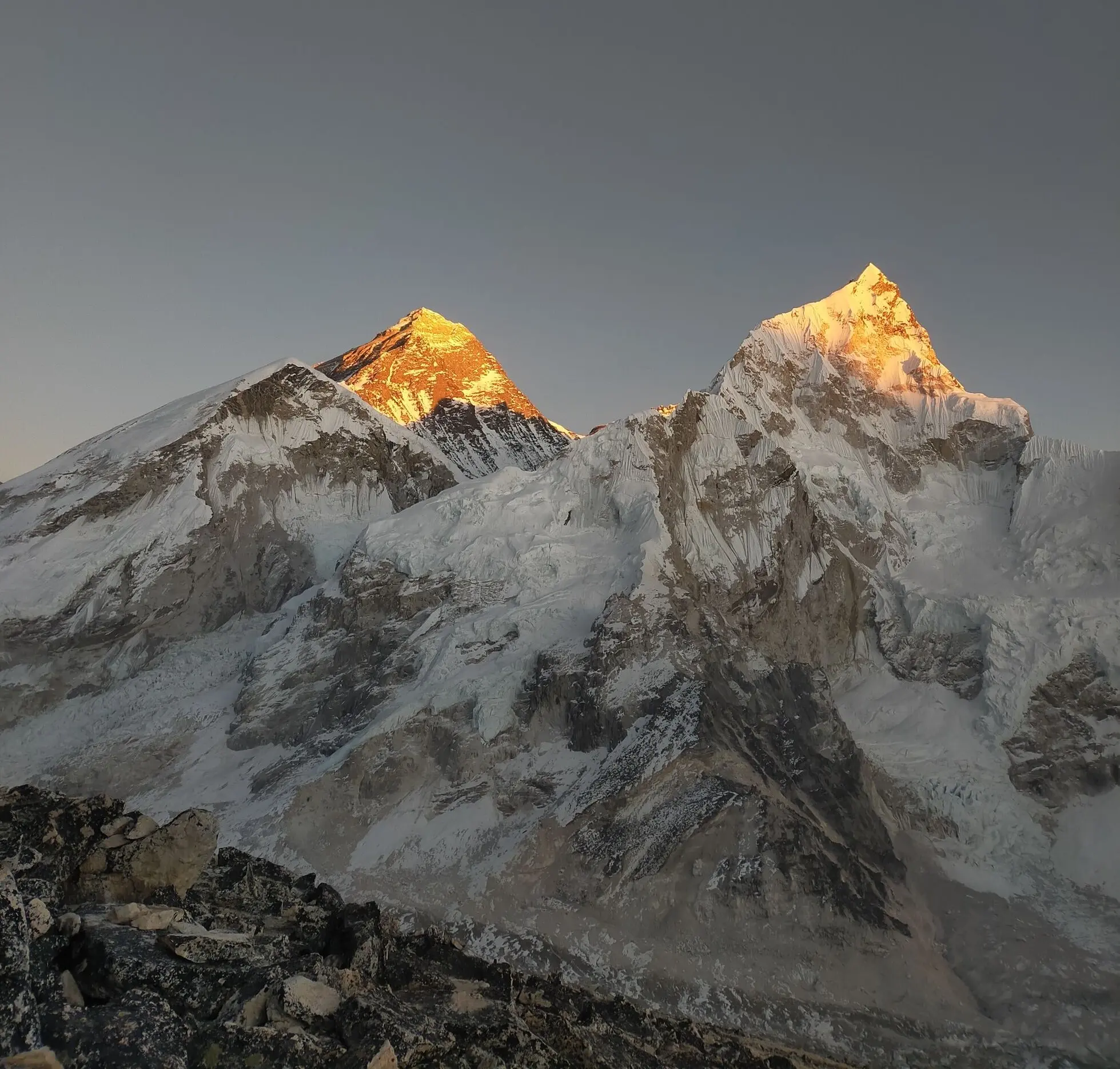
The Everest Three Pass Trek is one of the most adventurous and rewarding high-altitude trekking routes in Nepal, designed for trekkers who want to experience the very best of the Khumbu region. This challenging journey crosses three spectacular Himalayan passes—Kongma La (5,535 m), Cho La (5,420 m), and Renjo La (5,360 m)—while offering close encounters with the world’s highest peaks, including Mount Everest, Lhotse, Makalu, and Cho Oyu.
Organized by Mountain King Adventures, this trek combines iconic destinations such as Everest Base Camp, Kala Patthar, Gokyo Lakes, and remote Sherpa villages. The carefully planned itinerary includes proper acclimatization days, cultural exploration in Namche Bazaar, and breathtaking viewpoints like Chhukung Ri and Gokyo Ri, ensuring both safety and unforgettable memories.
The Everest Three Pass Trek can be undertaken throughout the year, though each season offers a different experience. Spring (March–May) is one of the most popular seasons due to stable weather, warmer temperatures, and blooming rhododendrons along the trail. Mountain views are exceptionally clear, making it ideal for photography and high-pass crossings.
Autumn (September–November) is another prime season, known for crisp air, dry trails, and excellent visibility after the monsoon. Winter (December–February) is colder and more demanding, but suitable for experienced trekkers seeking solitude. Summer/Monsoon (June–August) brings fewer crowds and lush landscapes, though weather flexibility is essential.
Seasonal Overview:
The Everest Three Pass Trek is considered a challenging trek, suitable for trekkers with good physical fitness and prior high-altitude experience. Long walking days, steep ascents, glacier crossings, and elevations above 5,000 meters demand endurance and mental preparation. Mountain King Adventures ensures gradual altitude gain and rest days to reduce the risk of altitude sickness.
Transportation includes a scenic domestic flight from Kathmandu to Lukla, often considered one of the world’s most thrilling mountain flights. All trekking routes are on foot, supported by experienced guides and porters who ensure safety and comfort throughout the journey.
Difficulty Factors:
During the trek, accommodation is primarily in local teahouses, offering clean, comfortable rooms with shared facilities. As altitude increases, amenities become more basic, but warmth, hospitality, and safety remain consistent. Mountain King Adventures carefully selects trusted lodges for overnight stays.
Meals include a variety of nutritious and energy-rich foods, such as dal bhat, noodles, soups, potatoes, rice, eggs, and seasonal vegetables. While menu choices become limited at higher elevations, meals are freshly prepared to support trekkers’ energy needs.
Food & Lodging Highlights:
To complete the Everest Three Pass Trek, trekkers must obtain the necessary government permits. Mountain King Adventures arranges all required documentation, allowing trekkers to focus fully on the journey.
The two main permits required are the Sagarmatha National Park Entry Permit and the Khumbu Pasang Lhamu Rural Municipality Permit. These permits help support conservation efforts and maintain trekking infrastructure in the Everest region.
Required Permits:
Choosing the Everest Three Pass Trek means choosing the ultimate Himalayan adventure. With Mountain King Adventures, trekkers benefit from expert local guides, carefully designed itineraries, and strong safety protocols. The trek offers unmatched diversity—ranging from bustling Sherpa towns to silent glaciers and dramatic mountain passes.
Mountain King Adventures prioritizes small groups, personalized service, and responsible trekking practices. Their deep knowledge of the Everest region ensures a safe, enriching, and memorable experience from arrival in Kathmandu to final departure.
Why Mountain King Adventures:
Upon arrival at Tribhuvan International Airport, a representative from Mountain King Adventures warmly welcomes you and assists with your transfer to the hotel in Kathmandu. After check-in, you can relax and recover from your journey or explore the lively streets of Thamel, known for its trekking shops, cafés, and cultural charm. In the evening, there will be a short briefing about the Everest Three Pass Trek, including safety measures, altitude awareness, and logistical details. You will meet fellow trekkers and your trekking leader, followed by a traditional Nepali welcome dinner that introduces local cuisine and hospitality.
This day is dedicated to cultural exploration and final trek preparation. Guided by Mountain King Adventures, you visit UNESCO World Heritage Sites such as Swayambhunath (Monkey Temple), Pashupatinath Temple, and Boudhanath Stupa. These landmarks provide insight into Nepal’s spiritual traditions and ancient history. Later in the afternoon, you return to Thamel for a comprehensive gear check and last-minute shopping if required. Your guide reviews the trekking route, weather expectations, altitude challenges, and emergency procedures. This day balances cultural immersion with essential preparation to ensure a safe and enjoyable trekking experience.
Early in the morning, you take a scenic mountain flight from Kathmandu to Lukla, one of the world’s most thrilling airstrips. After landing, the trekking adventure officially begins. The trail descends gently through pine forests and small Sherpa villages, crossing suspension bridges draped with prayer flags. Mountain King Adventures ensures a relaxed walking pace, allowing your body to adjust gradually. Along the way, you encounter mani stones and monasteries that reflect Buddhist culture. The day ends in Phakding, where you settle into a cozy teahouse and enjoy your first night in the Khumbu region.
Today’s trek follows the Dudh Koshi River, crossing several suspension bridges, including the famous Hillary Suspension Bridge. The trail gradually ascends through dense forests of rhododendron and pine. After entering Sagarmatha National Park, there is a steady uphill climb toward Namche Bazaar. Mountain King Adventures emphasizes slow and steady progress to help with acclimatization. As you approach Namche, breathtaking views of Kongde Ri and glimpses of Everest appear. Namche Bazaar, the commercial hub of the Everest region, offers bakeries, shops, and stunning mountain scenery, making it a memorable stop.
Acclimatization is essential for high-altitude trekking, and Mountain King Adventures follows a scientifically recommended schedule. Instead of complete rest, you take a short hike to higher elevations and return to Namche. Optional hikes include the Everest View Hotel or Khumjung Village, offering panoramic views of Everest, Ama Dablam, and Lhotse. The afternoon is free to explore Namche’s museums, cafés, and local markets. Your guide conducts a health check and provides advice on hydration and altitude awareness. This day helps your body adapt while enjoying the vibrant Sherpa culture.
The trail from Namche winds along a scenic ridge with spectacular views of Everest, Nuptse, and Ama Dablam. After descending to Phunki Tenga, you cross a river and begin a steady climb through lush forests. Mountain King Adventures maintains a comfortable pace, ensuring safe elevation gain. Upon reaching Tengboche, you visit the famous Tengboche Monastery, the spiritual center of the Khumbu region. If timing permits, you may witness an evening prayer ceremony. The setting, surrounded by towering peaks, creates a peaceful and inspiring atmosphere for the night.
Leaving Tengboche, the trail descends through forests before crossing the Imja Khola River. The landscape gradually changes from green hills to open alpine terrain. You pass traditional Sherpa settlements such as Pangboche, home to one of the oldest monasteries in the region. Mountain King Adventures highlights local customs and mountain lore during the trek. As you approach Dingboche, stone-walled fields and expansive valleys dominate the scenery. Dingboche offers impressive views of Ama Dablam and Island Peak, making it an ideal location for further acclimatization and rest.
Another acclimatization day is crucial before tackling higher passes. Guided by Mountain King Adventures, you take a short hike to nearby ridges or viewpoints to gain elevation and return to Dingboche. These hikes improve altitude adaptation while offering dramatic views of Makalu and the Imja Valley. The rest of the day is spent relaxing, journaling, or interacting with fellow trekkers. Your guide monitors health conditions closely and provides guidance on breathing techniques and hydration. This carefully planned day enhances safety and prepares you for the challenging days ahead.
The trek to Chhukung is relatively short but offers striking views of glaciers and surrounding peaks. After lunch, Mountain King Adventures leads an optional ascent of Chhukung Ri. Though demanding, the climb rewards you with panoramic views of Lhotse, Makalu, Island Peak, and the vast glacial landscape. The ascent is done slowly and safely, with frequent breaks. After descending, you return to Chhukung for rest and recovery. This day strengthens acclimatization and builds confidence for crossing the high mountain passes.
Today is one of the most challenging and rewarding days of the trek. An early start is essential as you ascend toward Kongma La Pass. Mountain King Adventures ensures proper pacing and safety checks throughout the climb. From the top, breathtaking views of Nuptse, Makalu, and the Khumbu Glacier unfold. The descent is steep and rocky, requiring careful footing. After crossing glacial terrain, you reach Lobuche. Though physically demanding, the sense of accomplishment and dramatic scenery make this day unforgettable.
The trail follows the Khumbu Glacier toward Gorak Shep, the final settlement before Everest Base Camp. After lunch, Mountain King Adventures leads you on the iconic hike to Everest Base Camp. Walking across rocky moraine, you reach the legendary site used by climbers preparing for summit attempts. Surrounded by icefalls and towering peaks, the experience is deeply inspiring. After spending time at Base Camp for photos and reflection, you return to Gorak Shep for the night, marking a major highlight of the trek.
Before dawn, you hike up Kala Patthar, the best viewpoint for seeing Mount Everest up close. Mountain King Adventures times the ascent to catch sunrise, when the peaks glow with golden light. From the summit, you enjoy panoramic views of Everest, Pumori, and the Khumbu Icefall. After descending to Gorak Shep for breakfast, you trek back to Lobuche. Though shorter, the day is physically demanding due to altitude, but the unforgettable views make it one of the most memorable experiences of the journey.
Leaving Lobuche, the trail gradually ascends and then traverses rocky terrain toward Dzongla. The route offers stunning views of Cholatse and surrounding peaks. Mountain King Adventures emphasizes careful footing, as sections can be uneven. Dzongla is a quiet settlement perched above a frozen lake, providing a peaceful atmosphere after busy trekking days. The afternoon is spent resting and preparing for the upcoming Cho La Pass crossing. This day balances moderate trekking with essential recovery time.
An early start leads you toward the challenging Cho La Pass. The ascent involves rocky trails and glacier crossings, requiring focus and determination. Mountain King Adventures provides guidance and support to ensure safe passage. From the top, dramatic views of snow-covered peaks and glacial valleys reward your effort. The descent brings you into the stunning Gokyo Valley. Upon reaching Gokyo, you are welcomed by the turquoise lakes and peaceful surroundings, making this demanding day exceptionally rewarding.
This rest day combines acclimatization with exploration. Early in the morning, Mountain King Adventures guides you up Gokyo Ri, offering breathtaking panoramic views of Everest, Cho Oyu, and the Ngozumpa Glacier. After descending, you explore the fourth and fifth Gokyo Lakes, known for their pristine beauty. The afternoon is spent relaxing by the lakeside or enjoying the serene mountain environment. This day provides physical recovery while showcasing one of the most beautiful regions in the Himalayas.
Crossing Renjo La Pass is another highlight of the Everest Three Pass Trek. The ascent is steady and less technical than previous passes, but still demanding. Mountain King Adventures ensures a safe and well-paced climb. From the top, you enjoy sweeping views of Everest, Lhotse, and the Gokyo Lakes below. The descent leads into the quieter Bhote Koshi Valley. Lumde offers a peaceful resting place, marking the successful completion of all three high passes.
The trail descends gradually through alpine terrain and rhododendron forests. As you lose altitude, breathing becomes easier and temperatures warmer. Mountain King Adventures encourages enjoying the changing landscapes and reflecting on the journey. Reaching Namche Bazaar feels like returning to civilization after weeks in the high mountains. You can enjoy hot showers, bakeries, and lively conversations with fellow trekkers. This day provides comfort and celebration after completing the challenging circuit.
The final trekking day follows familiar trails along the Dudh Koshi River. You cross suspension bridges and pass through villages that now feel like old friends. Mountain King Adventures maintains a relaxed pace, allowing you to savor the last moments in the Khumbu region. Upon reaching Lukla, there is time to celebrate the successful completion of the trek with your guides and porters. A farewell dinner marks the end of an incredible Himalayan adventure.
You take an early morning flight back to Kathmandu, enjoying final aerial views of the Himalayas. After arriving, Mountain King Adventures transfers you to your hotel. The rest of the day is free for shopping, sightseeing, or relaxing. In the evening, a farewell dinner is organized to celebrate your achievement and share memories from the trek. This day provides comfort and reflection after weeks in remote mountain terrain.
On your final day, Mountain King Adventures arranges airport transfer according to your flight schedule. As you depart Kathmandu, you carry unforgettable memories of crossing high mountain passes, standing at Everest Base Camp, and experiencing Sherpa culture. The Everest Three Pass Trek is not just a physical journey but a life-changing adventure filled with resilience, beauty, and achievement. We bid you farewell and hope to welcome you again for future Himalayan explorations.
Clothing
Handwear
Footwear
Gear
Miscellaneous
The Everest Three Pass Trek is one of the most demanding and rewarding trekking routes in the Himalayas, crossing three high mountain passes: Kongma La, Cho La, and Renjo La, all above 5,300 meters. This trek combines classic Everest Base Camp trails with remote alpine terrain and glacier crossings. According to Mountain King Adventures, the challenge comes from long trekking days, high altitude, steep ascents, and rapidly changing weather. However, with proper acclimatization, experienced guides, and good physical preparation, trekkers are rewarded with unmatched mountain views and deep cultural experiences.
A high level of physical fitness is essential for the Everest Three Pass Trek. Mountain King Adventures recommends that trekkers be comfortable walking 6–8 hours per day over uneven and steep terrain while carrying a light daypack. Prior trekking experience at high altitude is highly beneficial but not mandatory if you train properly. Cardiovascular endurance, leg strength, and mental resilience are key factors. Preparation should include hiking, stair climbing, strength training, and aerobic exercises several months before the trek to ensure a safe and enjoyable journey.
Altitude sickness is a serious concern on the Everest Three Pass Trek, and Mountain King Adventures follows a strict acclimatization schedule to minimize risks. The itinerary includes rest days, gradual altitude gain, and “climb high, sleep low” strategies. Guides are trained in recognizing early symptoms of altitude-related illness and carry basic medical kits. Oxygen saturation levels may be monitored, and trekkers are encouraged to communicate openly about how they feel. In serious cases, immediate descent is arranged, prioritizing safety over summit goals.
While prior high-altitude trekking experience is not strictly required, Mountain King Adventures strongly recommends it for the Everest Three Pass Trek due to its difficulty. Trekkers without previous altitude exposure must be well-prepared physically and mentally. The route includes glacier travel, long days, and high passes that demand endurance and confidence. Our experienced guides provide constant support, pacing, and encouragement, making it achievable for determined trekkers who commit to training and follow safety instructions carefully throughout the journey.
Proper gear is crucial for success on the Everest Three Pass Trek. Mountain King Adventures provides a detailed packing list, including high-quality trekking boots, layered clothing, a down jacket, waterproof gear, gloves, and a warm sleeping bag. Trekking poles, sunglasses, sunscreen, and a reliable daypack are also important. While crampons are not always necessary, they may be useful in icy conditions. Renting gear in Kathmandu is possible, but personal comfort and fit should always be prioritized.
Mountain King Adventures is committed to delivering safe, responsible, and memorable Himalayan trekking experiences. Our itineraries are carefully designed with proper acclimatization, realistic pacing, and contingency planning. We focus on small group sizes, personalized service, and environmentally responsible trekking practices. By employing local guides and porters, we support mountain communities directly. Our attention to detail, safety-first approach, and passion for the Himalayas make us a trusted choice for trekkers seeking a challenging yet rewarding Everest Three Pass Trek.
The best seasons for the Everest Three Pass Trek are spring (March to May) and autumn (September to November). During these months, weather conditions are more stable, skies are clearer, and mountain views are at their best. Mountain King Adventures prefers these seasons because the passes are more accessible, and temperatures are manageable. Spring offers blooming rhododendrons and pre-monsoon clarity, while autumn provides crisp air and excellent visibility. Winter and monsoon treks are possible but require advanced experience and additional preparation.
Accommodation during the Everest Three Pass Trek is primarily in teahouses, which are simple but comfortable mountain lodges run by local families. Mountain King Adventures carefully selects clean and reputable teahouses that provide basic amenities such as beds, blankets, dining areas, and shared toilets. As altitude increases, facilities become more basic due to remoteness. Rooms are usually twin-sharing, and heating is available only in common dining areas. Despite simplicity, teahouses offer warmth, local hospitality, and a genuine Himalayan experience.
Meals during the trek are freshly prepared at teahouses and include a variety of local and international dishes. Mountain King Adventures encourages trekkers to eat high-energy, carbohydrate-rich foods to maintain stamina at altitude. Typical meals include dal bhat (rice, lentils, and vegetables), noodles, soups, potatoes, eggs, and Tibetan bread. Breakfasts often consist of porridge, pancakes, or eggs. While menus are limited at higher elevations, food is nutritious and filling. Special dietary requirements can often be accommodated with advance notice.
Guides from Mountain King Adventures are highly experienced, licensed professionals with extensive knowledge of the Everest region. Many have completed the Everest Three Pass Trek multiple times and are trained in first aid, altitude safety, and emergency response. Beyond technical skills, they provide cultural insights, route planning, and constant motivation. Porters are equally valued and treated ethically, carrying appropriate loads and receiving proper equipment. The team’s expertise ensures not only safety but also a richer and more meaningful trekking experience.
| No of people | Price per person |
|---|---|
| 1 - 1 | $1,550 |
| 2 - 4 | $1,435 |
| 5 - 9 | $1,420 |
| 10 - 15 | $1,405 |