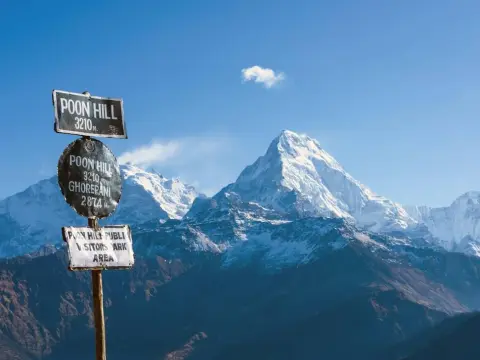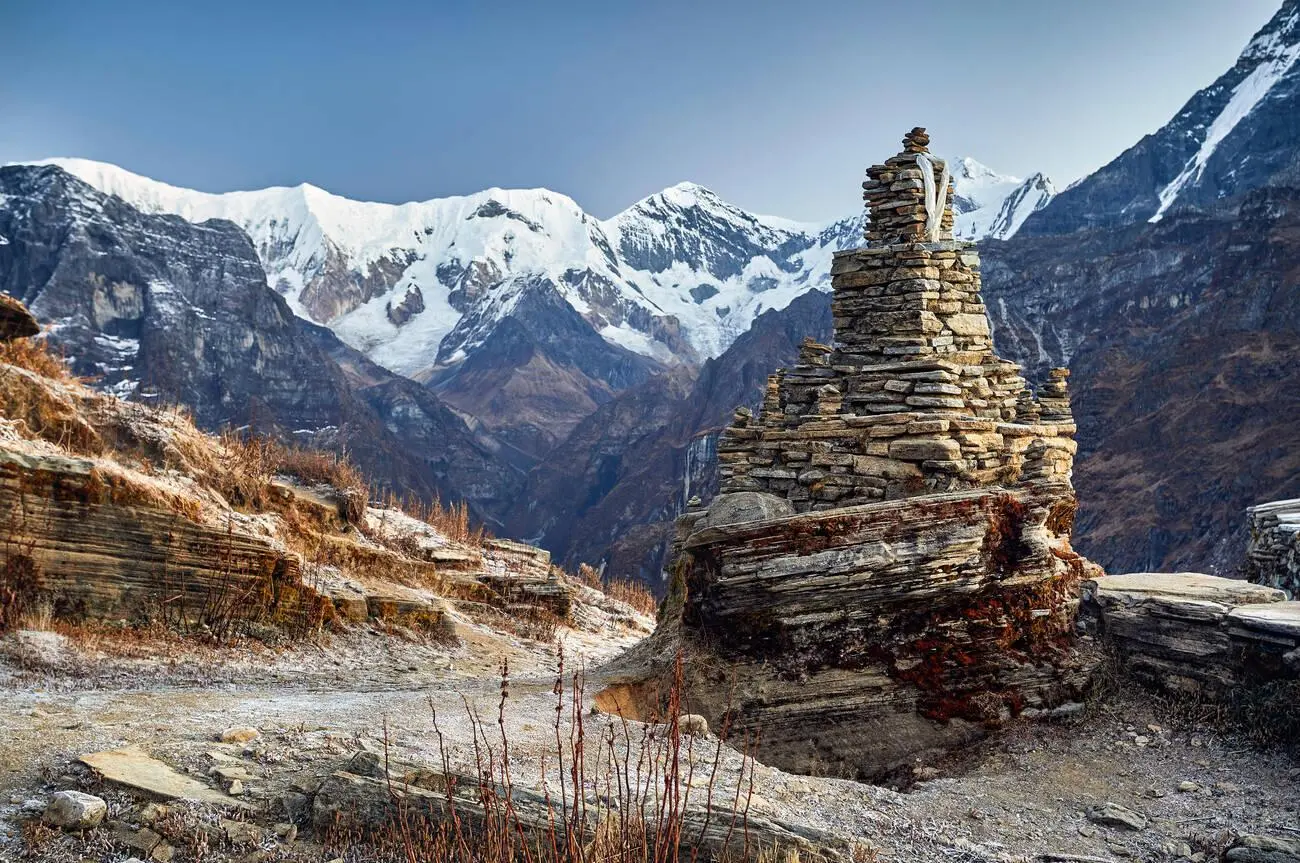
The Mardi Himal Trek is a spectacular Himalayan adventure located in the Annapurna region of Nepal. This trek is less crowded compared to the famous Annapurna Base Camp, offering trekkers a peaceful and authentic experience in the lap of the mountains. Starting from Pokhara, the trail leads through lush forests, quaint villages, terraced fields, and rhododendron-clad slopes. One of the highlights of the trek is the Mardi Himal Base Camp and View Point, which provides panoramic views of Annapurna South, Machapuchare (Fishtail), Hiunchuli, and the entire Annapurna Massif.
This trek is ideal for adventurers who seek a combination of natural beauty, cultural experiences, and mountain exploration without the heavy tourist traffic. Along the way, trekkers encounter local Gurung and Magar villages, giving them an insight into traditional Nepali rural life. The journey covers varying elevations, from the sub-tropical lowlands of Pokhara to alpine regions near the base of Mardi Himal.
The best time to trek Mardi Himal is during the pre-monsoon (March to May) and post-monsoon (September to November) seasons. These months offer clear skies, stable weather, and breathtaking mountain views. During spring, the trails are lined with colorful rhododendron blooms, creating a vibrant landscape. Autumn, on the other hand, provides crisp air, excellent visibility, and moderate temperatures, perfect for photography and trekking comfort.
Winter (December to February) can also be an option for trekkers who enjoy cold, serene environments, though higher elevations may experience heavy snow. The monsoon season (June to August) is generally avoided due to slippery trails, leeches, and the risk of landslides. Choosing the right season ensures a safe, enjoyable, and visually rewarding trekking experience.
Seasonal Highlights:
The Mardi Himal Trek is considered a moderate-level trek, suitable for individuals with a reasonable level of fitness and some trekking experience. The trail involves gradual ascents, steep sections, and high-altitude hiking, especially near the Mardi Himal Base Camp. Trekkers need stamina for long trekking days ranging from 3 to 6 hours, combined with varying elevations from 860m in Pokhara to 4,500m at the Mardi Himal View Point.
Transportation for the trek begins in Kathmandu, where trekkers can either fly or drive to Pokhara, the starting point of the trek. From Pokhara, a short drive to Kande or Phedi marks the beginning of the trekking route. The journey includes a mix of drives on scenic mountain roads and trekking through forests, ridges, and villages, offering a blend of road travel and hiking adventure.
Key Points on Difficulty and Transportation:
Accommodation along the Mardi Himal Trek is a combination of teahouses and lodges, offering basic amenities suitable for trekkers. Lodges are located in villages and campsites such as Forest Camp, High Camp, and Low Camp, providing simple rooms with bedding. While some high camps may have limited facilities, they provide a warm and cozy environment after a long day of trekking.
Food during the trek is primarily Nepali and continental cuisine, including dal bhat (rice and lentils), noodles, soups, and snacks. Teahouses also serve hot drinks like tea, coffee, and chocolate, essential for keeping warm at high altitudes. Trekkers are advised to carry water purification tablets or filters to ensure safe drinking water during the hike.
Accommodation & Food Highlights:
Trekkers need specific permits to access the Mardi Himal region. The main permits required include:
Annapurna Conservation Area Permit (ACAP): Mandatory for trekking in the Annapurna region, ensuring environmental protection and responsible tourism.
Trekkers’ Information Management System (TIMS) Card: Required for trekking in Nepal, providing safety and identification measures.
Permits can be obtained in Kathmandu or Pokhara, and Mountain King Adventures assists trekkers in securing these permits before departure. Carrying the permits is crucial as checkpoints along the route may request verification.
Permit Summary:
Mountain King Adventures offers a personalized, safe, and memorable trekking experience on the Mardi Himal Trek. Their experienced guides, knowledgeable support staff, and careful planning ensure trekkers enjoy breathtaking views, cultural immersion, and smooth logistics. From arranging transportation and permits to providing comfortable accommodation and nutritious meals, the company prioritizes safety and adventure equally.
Choosing this trek with Mountain King Adventures guarantees an authentic, less crowded Himalayan adventure with a focus on sustainability and local community support. Trekkers benefit from professional guidance, emergency support, and insightful cultural experiences, making the journey rewarding both physically and spiritually.
Reasons to Choose Mountain King Adventures:
Upon your arrival at Tribhuvan International Airport in Kathmandu, our representative from Mountain King Adventures will warmly welcome you and transfer you to your hotel. After settling in, there will be a briefing about the trek, including an overview of the route, accommodation, meals, and safety guidelines. This day is primarily for rest, allowing you to recover from your journey and adjust to the altitude. You can explore nearby Thamel, a vibrant tourist hub, where you can enjoy local cuisine, shop for trekking gear, or simply soak in the lively atmosphere of Nepal’s capital city.
After breakfast, we embark on a scenic drive from Kathmandu to Pokhara, which takes around six hours. The route follows the Prithvi Highway, passing through beautiful landscapes, rivers, and traditional Nepali villages. Pokhara, known as the “City of Lakes,” is a picturesque city surrounded by the Annapurna and Machhapuchhre ranges. On arrival, check into your hotel and relax while enjoying the peaceful lakeside views. In the evening, you can stroll along Phewa Lake, watch the sunset behind the Himalayan peaks, or explore local markets and restaurants. This overnight stay allows you to prepare for the trek ahead.
We start early with a short drive from Pokhara to Kande, the starting point of our trek. From Kande, the trail gradually ascends through lush rhododendron forests and charming villages. Along the way, we reach the famous Australian Camp, offering panoramic views of the Annapurna range and Machhapuchhre (Fishtail) peak. Continuing through the forested trail, we finally arrive at Forest Camp at 2,600 meters, where you can enjoy the peaceful surroundings and the crisp mountain air. Tonight’s accommodation will be in a teahouse, and you’ll have the chance to savor traditional Nepali meals prepared by local hosts.
Today’s trek takes us to High Camp, passing through the challenging yet rewarding Badal Danda. The trail offers stunning views of Machhapuchhre, Mardi Himal, and the surrounding Annapurna peaks. The ascent is moderately steep but incredibly scenic, with opportunities to capture breathtaking photographs of snow-capped mountains and dense forests. Along the way, you may spot native wildlife and experience the tranquil atmosphere of the higher altitudes. High Camp is perched on a ridge, providing dramatic sunrise and sunset views. The overnight stay at High Camp gives you the perfect chance to rest and acclimatize for tomorrow’s hike to the Mardi Himal Base Camp.
On this day, we wake early to hike to the Mardi Himal View Point, standing at 4,500 meters. From this vantage, you’ll witness sweeping panoramic views of Annapurna South, Machhapuchhre, Himchuli, and Mardi Himal itself. The sunrise here is unforgettable, painting the peaks in brilliant hues. After soaking in the spectacular vistas, we descend to Low Camp, enjoying a scenic trek through alpine meadows and forests. This moderate descent takes approximately six hours, allowing plenty of time to admire the flora and fauna of the region. Overnight at Low Camp provides comfort in cozy teahouses.
Today we descend further from Low Camp to Sidding, passing through terraced fields, small villages, and lush forests. The trail offers insight into rural Nepali life and culture, including traditional homes and local farming practices. After reaching Sidding, we drive back to Pokhara, where you can relax and celebrate completing the trek. In Pokhara, there are plenty of options for leisure, such as visiting Davis Falls, the World Peace Pagoda, or enjoying a boat ride on Phewa Lake. The evening is free for shopping, dining, or simply enjoying the serene lakeside environment.
After breakfast, we drive back to Kathmandu through the scenic highway, passing rivers, hills, and quaint towns along the way. This journey takes about seven hours, allowing for rest stops and photography opportunities at scenic points. Upon arrival in Kathmandu, check into your hotel and spend the evening at leisure. You can explore Thamel for last-minute shopping, enjoy local cuisine, or simply relax and reflect on the unforgettable trek you’ve just completed. This night also serves as a farewell dinner with the Mountain King Adventures team.
On your final day, after breakfast, our representative will transfer you to Tribhuvan International Airport for your departure flight. Depending on your schedule, you may have time to explore nearby markets or take a short walk around the city. This concludes your incredible Mardi Himal Trek with Mountain King Adventures, leaving you with memories of stunning mountain vistas, friendly local communities, and the adventure of a lifetime.
Clothing
Handwear
Footwear
Gear
Miscellaneous
Although the Mardi Himal Trek is considered moderate in altitude, reaching a maximum of 4,500 meters at Mardi Himal Base Camp, altitude sickness can still occur. Symptoms include headaches, nausea, dizziness, and fatigue. Mountain King Adventures emphasizes gradual acclimatization, proper hydration, and rest days to minimize risk. Trekkers should communicate any discomfort to guides immediately. With careful pacing and guidance from experienced staff, most trekkers can safely reach the view points and descend without serious issues. Proper preparation and attention to your body’s signals are key to a safe trek.
Packing the right gear is essential for a comfortable trekking experience. Key items include layered clothing for varying temperatures, a warm jacket, trekking boots, gloves, hat, sunglasses, sunscreen, trekking poles, a sleeping bag, and a daypack. Personal items such as toiletries, medications, and a water bottle are also recommended. Mountain King Adventures provides a detailed packing list to ensure trekkers are fully prepared for the trail. Packing light but efficiently helps you move comfortably, while also allowing porters to carry heavier luggage safely.
While it is technically possible to trek independently, Mountain King Adventures strongly recommends going with an organized trek, especially for first-timers. Independent trekking requires arranging transportation, accommodation, food, and permits, which can be challenging in remote areas. Guides provide safety, navigation, and local insight, while porters ease the physical load. Trekking with an organized company also ensures emergency support is available and maximizes your enjoyment of the region. For a worry-free experience and the chance to fully immerse in the natural and cultural beauty, guided treks are highly recommended.
While trekking independently is possible, hiring a guide and porter through Mountain King Adventures is highly recommended. Our experienced guides provide local knowledge, ensure safety, handle logistics, and enhance your cultural experience by explaining local traditions and wildlife. Porters help carry heavy luggage, allowing you to trek comfortably and enjoy the scenery. The presence of trained staff is also crucial for emergency situations. Overall, guides and porters make your journey safer, more organized, and less physically exhausting, ensuring a truly enjoyable trekking experience.
Mountain King Adventures usually keeps group sizes small to medium, typically ranging from 4 to 12 trekkers per guide. Smaller groups allow for personalized attention, flexibility in pacing, and a more intimate experience with nature and local communities. Large groups can be managed but may slow the trek and reduce the quality of the experience. Our guides are trained to manage group dynamics efficiently, ensuring everyone enjoys the trek safely while maintaining a comfortable and supportive environment throughout the journey.
The Mardi Himal Trek is considered a moderate trek, suitable for individuals with a reasonable level of fitness. Trekkers should be comfortable walking for 5–6 hours daily on varied terrain, including forest trails, steep ascents, and descents. Prior cardio training, such as hiking, jogging, or cycling, is beneficial. While no technical climbing skills are required, stamina and endurance are essential. Mountain King Adventures ensures our guides help pace the trek according to the group’s fitness level, making it manageable for dedicated beginners and experienced trekkers alike.
During the Mardi Himal Trek, trekkers can enjoy a mix of traditional Nepali dishes and international meals. Popular options include dal bhat (rice with lentils and vegetables), momo (dumplings), noodles, and soups. Breakfast often includes porridge, eggs, or bread with jam. Teahouses along the trail cater to trekkers’ needs, and Mountain King Adventures ensures meals are nutritious and sufficient to support long trekking days. Drinking water should be boiled, filtered, or treated, and we recommend carrying water purification tablets or a reusable water bottle to stay hydrated throughout the journey.
Accommodation along the Mardi Himal Trek is primarily in teahouses and lodges, which offer basic but comfortable facilities. Most teahouses provide a bed, blankets, and shared bathrooms, while some also offer hot showers for a small fee. Meals are typically served in communal dining areas, featuring local Nepali cuisine such as dal bhat, noodles, and soups. Mountain King Adventures ensures that selected lodges maintain hygienic standards, so trekkers can rest comfortably after long days on the trail. The experience also allows you to interact with local families and learn about their culture.
To trek in the Mardi Himal region, you need two permits: the Annapurna Conservation Area Permit (ACAP) and the Trekkers’ Information Management System (TIMS) card. ACAP protects the unique ecology and culture of the Annapurna region, while TIMS registers trekkers for safety and management purposes. Mountain King Adventures assists all trekkers in obtaining these permits prior to departure, ensuring you meet legal requirements and can enjoy the trek without issues. Carrying these permits during the trek is mandatory, as authorities may check them at checkpoints along the trail.
The ideal time for the Mardi Himal Trek is during the pre-monsoon (March to May) and post-monsoon (September to November) seasons. In spring, rhododendrons bloom, painting the trail in vibrant colors, and visibility of the Annapurna and Machhapuchhre ranges is usually excellent. Autumn offers clear skies and stable weather, making it perfect for trekking and photography. Winter is less crowded, but it can be cold with occasional snow. Mountain King Adventures recommends planning around these periods for the best trekking experience and mountain views.
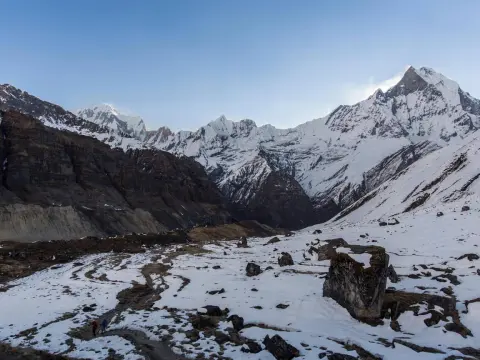
| No of people | Price per person |
|---|---|
| 1 - 1 | $1,155 |
| 2 - 4 | $1,050 |
| 5 - 9 | $1,035 |
| 10 - 15 | $1,020 |
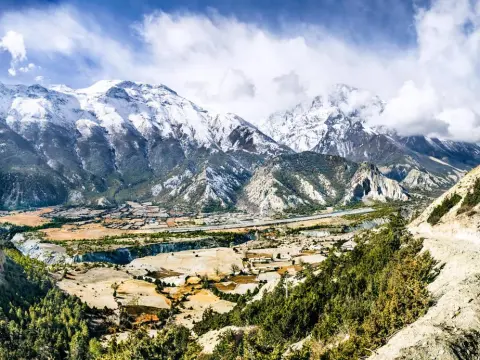
| No of people | Price per person |
|---|---|
| 1 - 1 | $1,730 |
| 2 - 4 | $1,595 |
| 5 - 9 | $1,580 |
| 10 - 15 | $1,560 |